



Serengeti Great Migration Safari - 6 Days

FROM

USD 3,400 per person

Available
Severius Adventures and Travels , Kenya

Overview

6 days Β· 5 nights

Journey & Destinations

Tarangire
1 day
Serengeti National Park
2 days
Ngorongoro Conservation Area
1 day
Lake Manyara
1 day

Where You’ll Stay

Sangaiwe Tented Lodge Full Board
Tarangire
Serengeti Kati Kati Tented Camp Full Board
Serengeti National Park
Ngorongoro Wildlife Lodge Full Board
Ngorongoro Conservation Area
Escarpment Luxury Lodge Full Board
Lake Manyara

Tour Itinerary

DAY 1

Arusha to Tarangire National Park - Elephant Kingdom

Your Tanzania adventure begins with pickup from Kilimanjaro International Airport or Arusha hotel at 8:00 AM. After safari briefing and gear check, drive southwest for 2 hours (120km) to Tarangire National Park, named after the Tarangire River that winds through the park - the only permanent water source during dry season attracting enormous concentrations of wildlife.

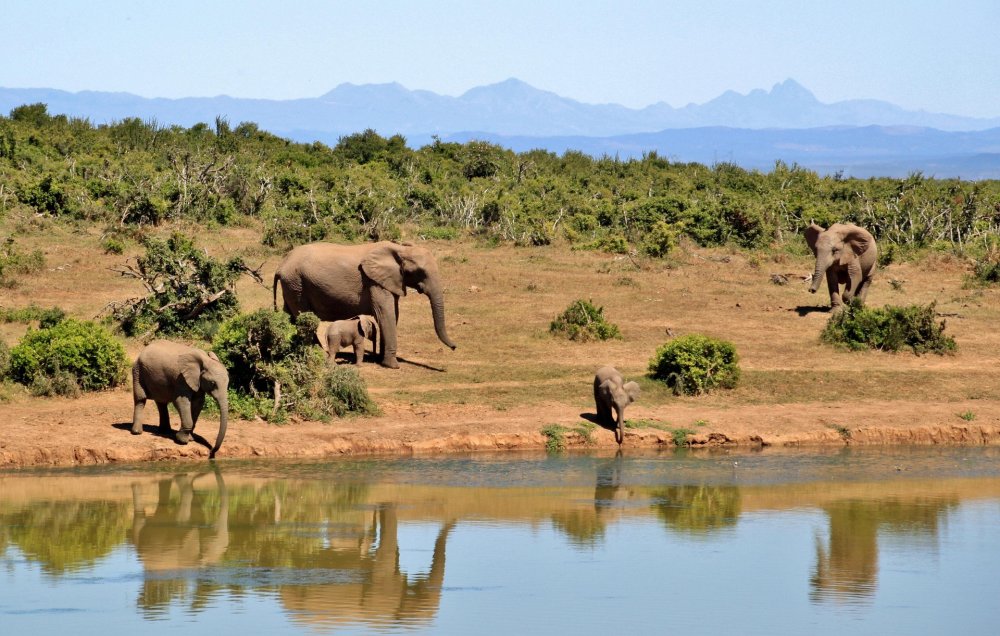
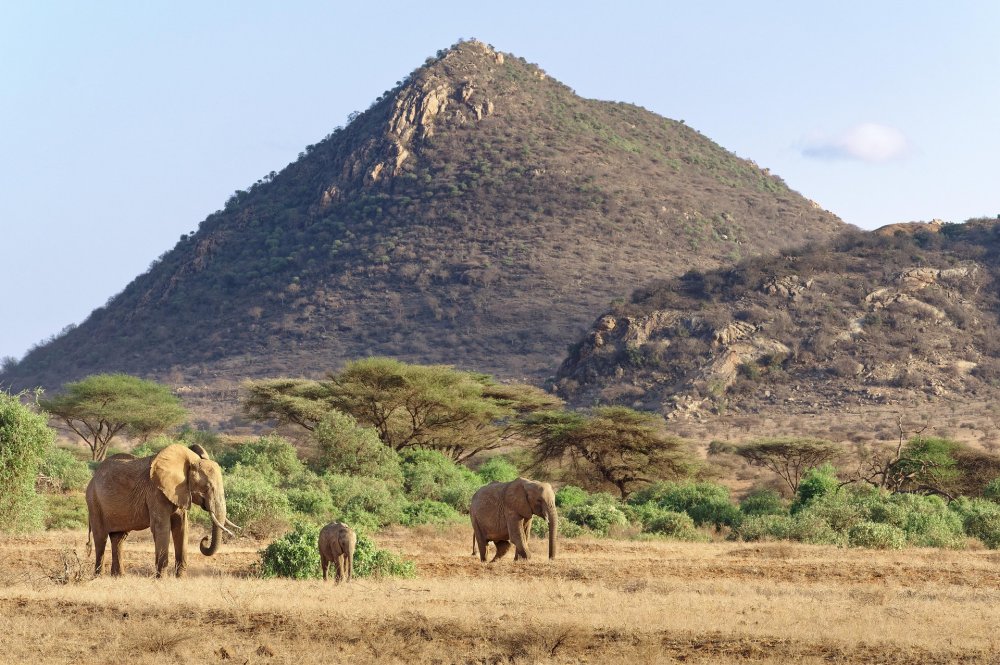
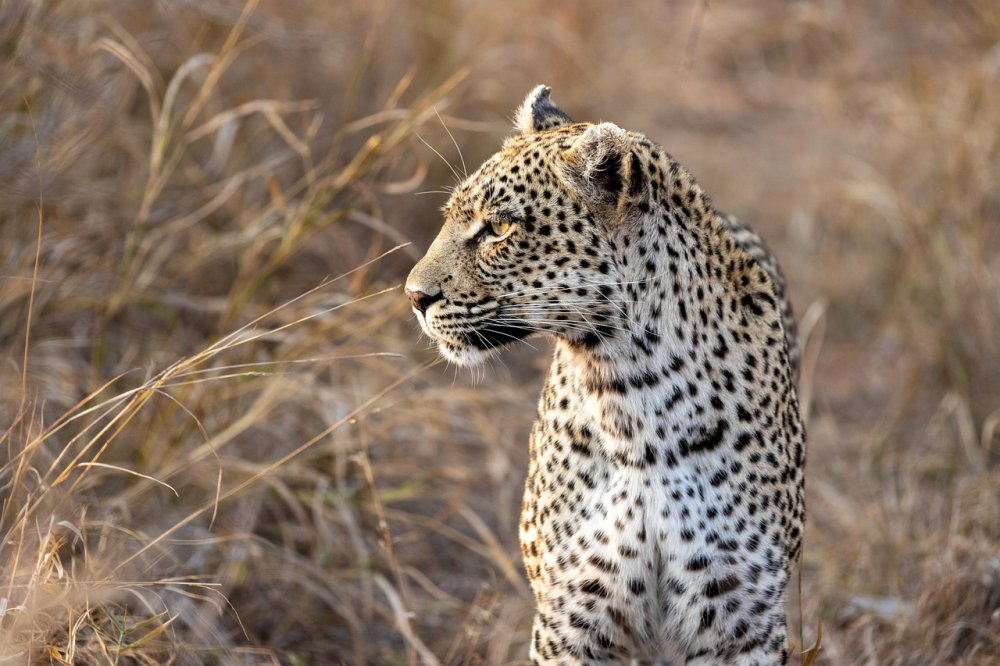
Enter the park around 10:30 AM and begin game viewing immediately. Tarangire is famous for having Tanzanias largest elephant population (3,000+) - you'll see huge herds with adorable calves. The park's landscape is iconic: massive ancient baobab trees (some over 1,000 years old) dotting golden grasslands, providing the quintessential African safari backdrop. Besides elephants, spot lions, leopards, cheetahs, buffaloes, giraffes, zebras, wildebeest, impalas, and the fringe-eared oryx (endemic to Tanzania). Bird watchers will love the 550+ species including the endemic yellow-collared lovebird. Enjoy picnic lunch under an acacia tree watching elephants at a waterhole.

Afternoon game drive explores different areas - the Silale Swamp in dry season attracts massive wildlife concentrations. Exit the park around 5:00 PM and drive to Sangaiwe Tented Lodge or similar for dinner and overnight, sharing safari stories around the campfire.

Accommodation

Sangaiwe Tented Lodge (Full Board)
DAY 2

Tarangire to Central Serengeti - Into the Endless Plains

After early breakfast (7:00 AM), depart for the legendary Serengeti National Park (approximately 5-6 hours, 240km). The journey itself is spectacular, passing through the Ngorongoro Conservation Area with stunning Rift Valley views.

Stop at Olduvai Gorge (optional museum visit, $5), dubbed the "Cradle of Mankind" where paleoanthropologists Louis and Mary Leakey discovered some of the earliest human ancestor fossils (1.9 million years old), fundamentally changing our understanding of human evolution. The museum displays fossils, tools, and exhibits about early hominids. Continue through the Ngorongoro highlands, descending onto the Serengeti plains around midday.

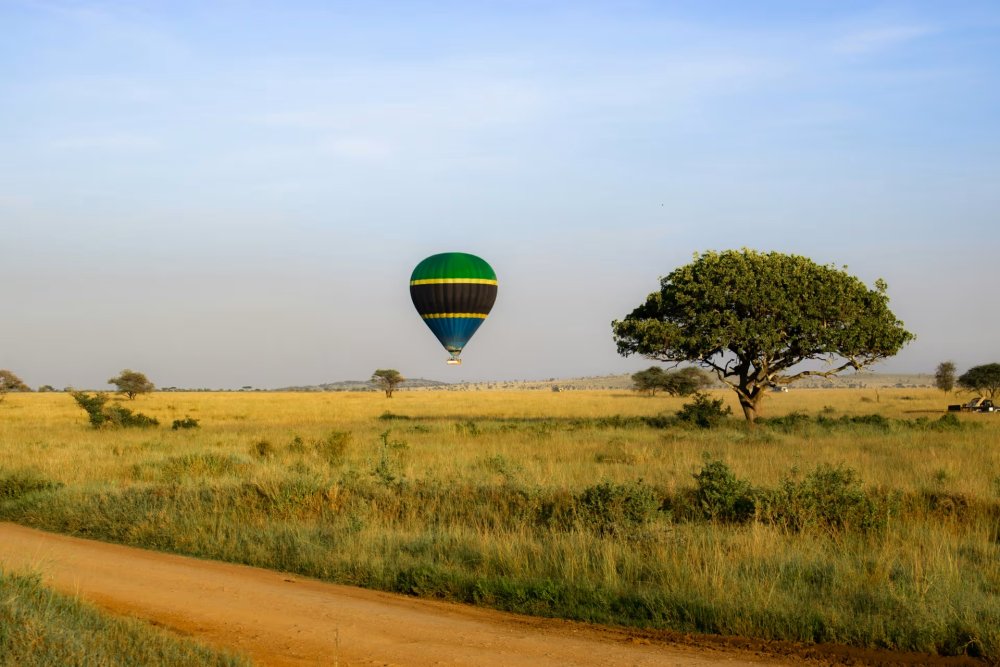
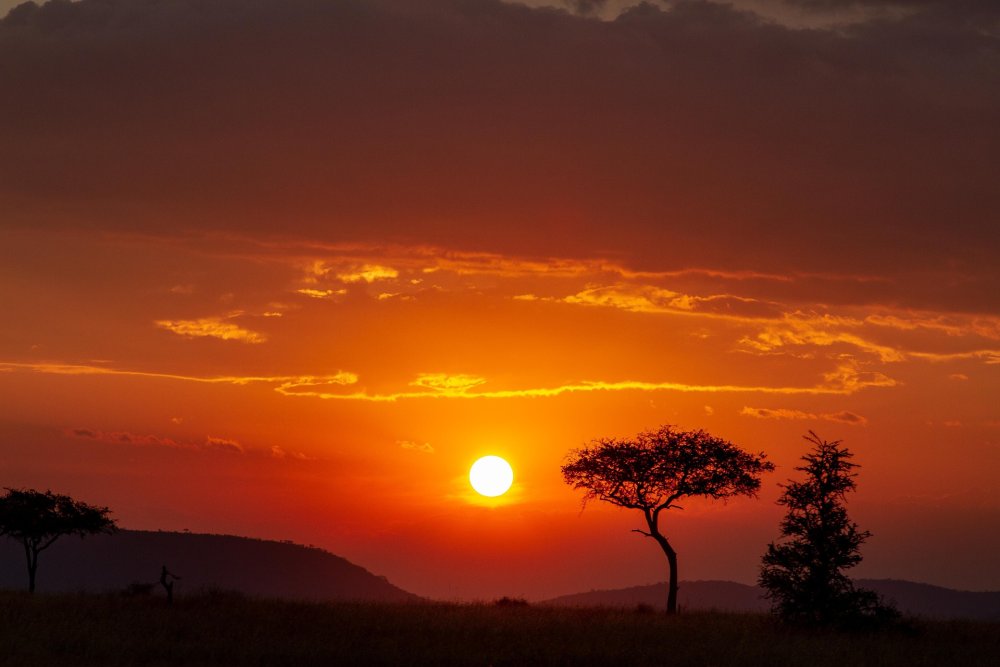
As you enter Serengeti through Naabi Hill Gate, the landscape opens into seemingly endless golden grasslands dotted with acacia trees - the iconic African savannah that defines safari imagery. "Serengeti" means "endless plains" in the Maasai language, and you'll understand why. Begin game driving en route to your tented camp in central Serengeti (Seronera area).

This region offers excellent year-round wildlife viewing as it's a transition zone between plains and woodlands supporting resident populations of lions, leopards, elephants, and more. Arrive at camp (Serengeti Kati Kati Tented Camp or similar) in late afternoon. These authentic tented camps provide luxury amenities while maintaining the safari ambiance - fall asleep to lion roars and hyena calls. Dinner under stars.

Accommodation

Serengeti Kati Kati Tented Camp (Full Board)

DAY 3

Full Day Serengeti - Following the Great Migration

Wake before sunrise (5:30 AM) for optional early morning game drive (6:00 AM - 9:00 AM) when predators are most active and light is magical for photography. Witness the African bush coming alive: lions returning from night hunts, leopards descending from trees, hyenas at kills. Return to camp for full breakfast around 9:30 AM.

The rest of the day is dedicated to tracking the Great Migration based on seasonal location:
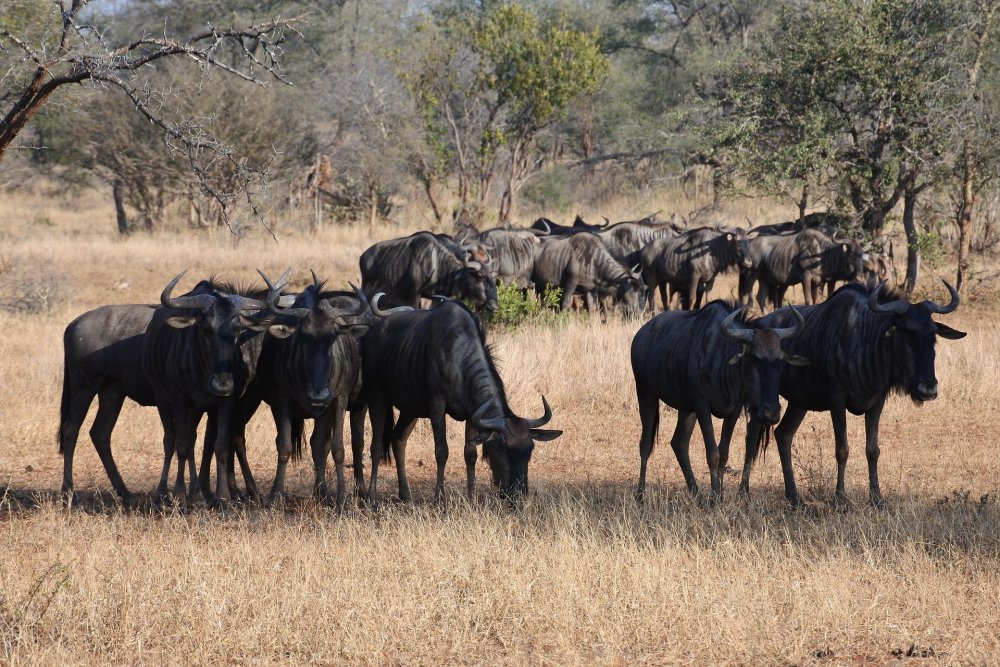
- JANUARY-MARCH (Southern Serengeti/Ndutu): Witness the calving season when 500,000+ wildebeest calves are born within 2-3 weeks - nature timed this to overwhelm predators. Cheetahs, lions, leopards, and hyenas feast, providing spectacular predator-prey interactions.
- APRIL-MAY (Central/Western Serengeti): Migration disperses across central plains and begins moving northwest.
- JUNE-JULY (Western Corridor): Massive herds concentrate near Grumeti River preparing for crossings. Hundreds of thousands attempt dangerous river crossings with enormous crocodiles waiting - dramatic life-and-death scenes.
- AUGUST-OCTOBER (Northern Serengeti): Peak river crossing season at Mara River - the most famous migration spectacle with thousands crossing daily.
- NOVEMBER-DECEMBER (Eastern/Southern): Herds return south following rains. Your guide positions you based on current migration location using radio communication with other guides and scouts.

Picnic lunch in the bush. Afternoon game drive continues following herds and predators. Beyond migration, Serengeti's resident wildlife is phenomenal: large lion prides (Serengeti has Africa's highest lion density), elusive leopards, cheetahs on termite mounds scanning for prey, elephants, giraffes, hippo pools, and hundreds of bird species. Sundowner drinks at a scenic kopje (rock outcrop) watching the golden hour. Return to camp for dinner.

Accommodation

Serengeti Kati Kati Tented Camp (Full Board)

DAY 4

Serengeti to Ngorongoro - Crater Rim Arrival

Serengeti wildlife viewing and sunrise photography. Return to camp for breakfast and packing. Depart Serengeti mid-morning (9:00 AM) with game viewing en route to the park exit.

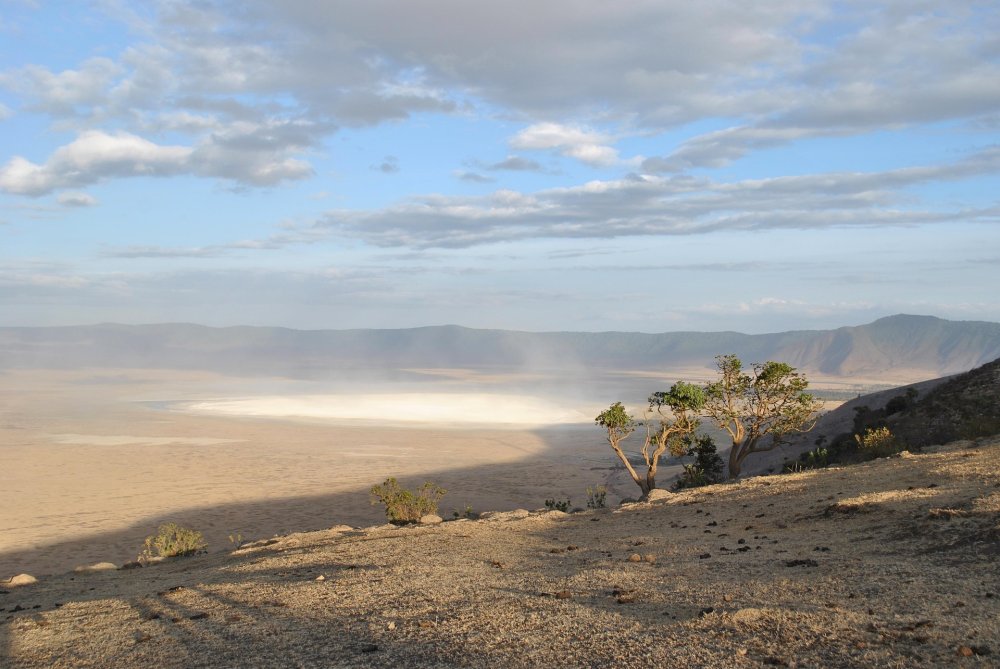
Drive through the Ngorongoro Conservation Area (2-3 hours) ascending the outer slopes of the massive Ngorongoro Crater. Stop at a viewpoint for first breathtaking views of this 600-meter deep caldera - often described as "Africa's Eden" and one of the world's natural wonders.

The crater floor, 260 sq km of pristine wilderness, contains the highest density of predators in Africa and one of the rare places to see critically endangered black rhinos. Arrive at your lodge on the crater rim (Ngorongoro Wildlife Lodge, Rhino Lodge, or similar) for lunch around 1:00 PM. These lodges perch spectacularly on the crater rim with stunning views 600 meters down to the floor.

Afternoon at leisure - relax on the viewing terrace watching elephants and buffaloes on the crater floor far below, visit the lodge's craft shops, or take a nature walk around the rim with an armed ranger.

Optional cultural visit to a nearby Maasai village ($30-50) to learn about these iconic semi-nomadic pastoralists who still live traditionally herding cattle, wearing distinctive red shukas, and practicing jumping dances. Dinner at lodge with crater views. Rest early for tomorrow's early descent.

Accommodation

Ngorongoro Wildlife Lodge (Full Board)

DAY 5

Ngorongoro Crater Tour - Africa's Eden

Very early start (6:00 AM) after breakfast boxes, descending 600 meters down the steep crater walls via a winding 4Γ—4 track - a thrilling experience. The Ngorongoro Crater is a UNESCO World Heritage Site and one of Africa's most incredible wildlife destinations.

Formed 2-3 million years ago when a massive volcano exploded and collapsed, the crater creates a natural enclosure (though animals can leave, most stay due to abundant resources). The crater floor is a microcosm of East African ecosystems: grasslands, swamps, forests, and a soda lake (Lake Magadi).

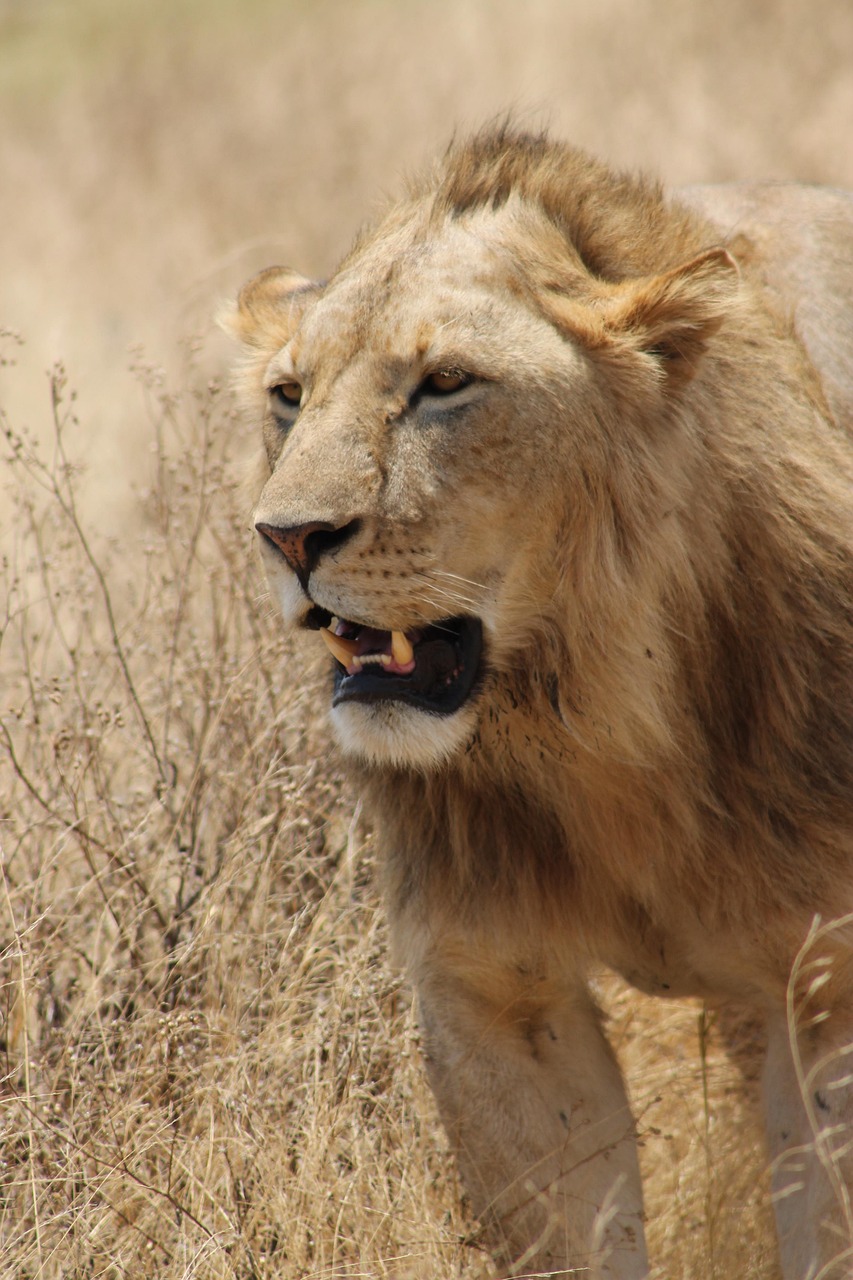
Over 25,000 large mammals live here in extraordinary density. You have excellent chances of seeing the Big Five in one day: LIONS - large prides with distinctive black-maned males (Ngorongoro males develop black manes earlier than elsewhere).
- ELEPHANTS - old bulls with enormous tusks (mostly males live in crater, females prefer forests outside).
- BUFFALOES - massive herds, thousands strong. LEOPARDS - elusive but present in Lerai Forest.
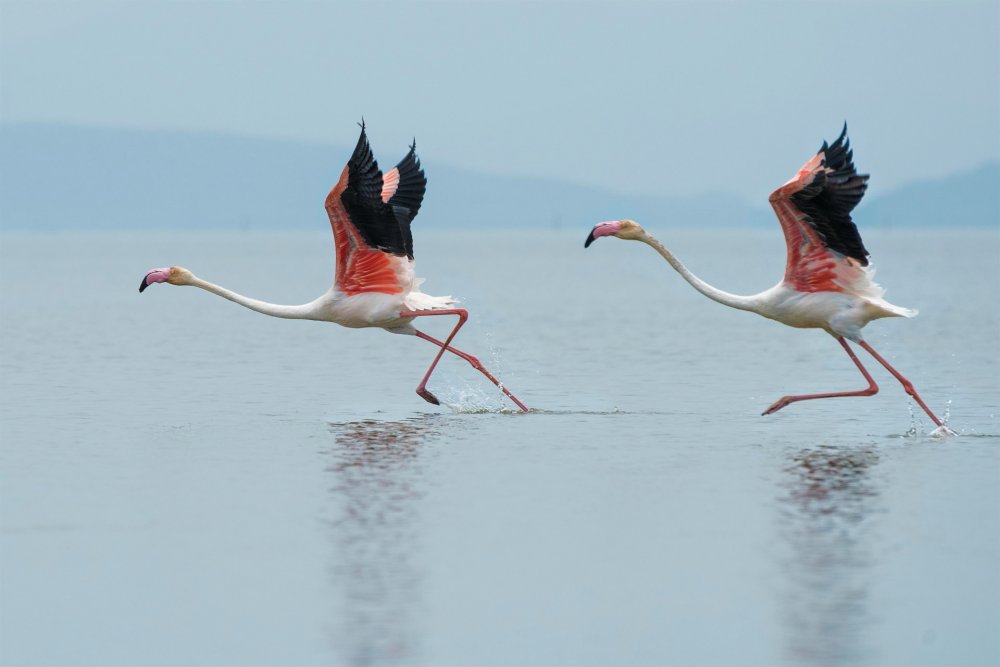
- RHINOS - Ngorongoro is one of the best places in Africa to see critically endangered black rhinos (about 30 reside here) - your guide and other drivers radio rhino locations. - Also abundant: hippos in Ngoitokitok spring pools, spotted hyenas (large clans numbering hundreds), jackals, wildebeest, zebras, gazelles, elands, and flamingos on Lake Magadi.

Predator action is frequent given the high density. Enjoy a picnic lunch at the hippo pool picnic site (with toilets), watching hippos yawn and grunt nearby while black kites swoop trying to steal food. Continue game driving, circumnavigating the crater floor. Ascend the crater walls around 3:00 PM (6-hour crater limit enforced) and drive to Lake Manyara National Park area (1 hour). Check into lodge (Escarpment Luxury Lodge or similar) perched on the Rift Valley escarpment with stunning lake views. Relax, swim in pool, enjoy sundowners watching the sunset over Lake Manyara far below.

Accommodation

Escarpment Luxury Lodge (Full Board)

DAY 6

Lake Manyara to Arusha - Safari Finale

After breakfast (7:30 AM), drive 10 minutes to Lake Manyara National Park entrance. This small but diverse park (330 sq km) is famous for its tree-climbing lions (unique behavior possibly to escape biting flies or gain better views), huge elephant herds, and prolific birdlife.

The park stretches along the base of the dramatic Rift Valley escarpment with groundwater forests, grasslands, and Lake Manyara itself - an alkaline soda lake that attracts thousands of flamingos and over 400 bird species including pelicans, storks, cormorants, and Egyptian geese. Morning game drive (3-4 hours) searches for the elusive tree-climbing lions often spotted lounging on acacia branches - a surreal sight and photographer's dream.

The park's lush groundwater forest (fed by springs from the escarpment) hosts troops of baboons, blue monkeys, elephants browsing in dense vegetation, and giraffes. Visit the hippo pools where dozens of hippos wallow. The park also has buffaloes, zebras, wildebeest, impalas, warthogs, and if lucky, leopards. Lake Manyara's compact size makes it easy to cover extensively.

Exit the park around noon and drive to Arusha (2 hours, 130km) for lunch at a restaurant like The Blue Heron. Afternoon arrival in Arusha with drop-off at your hotel (for those staying longer) or Kilimanjaro International Airport (50km, 1 hour from Arusha) for evening departures.

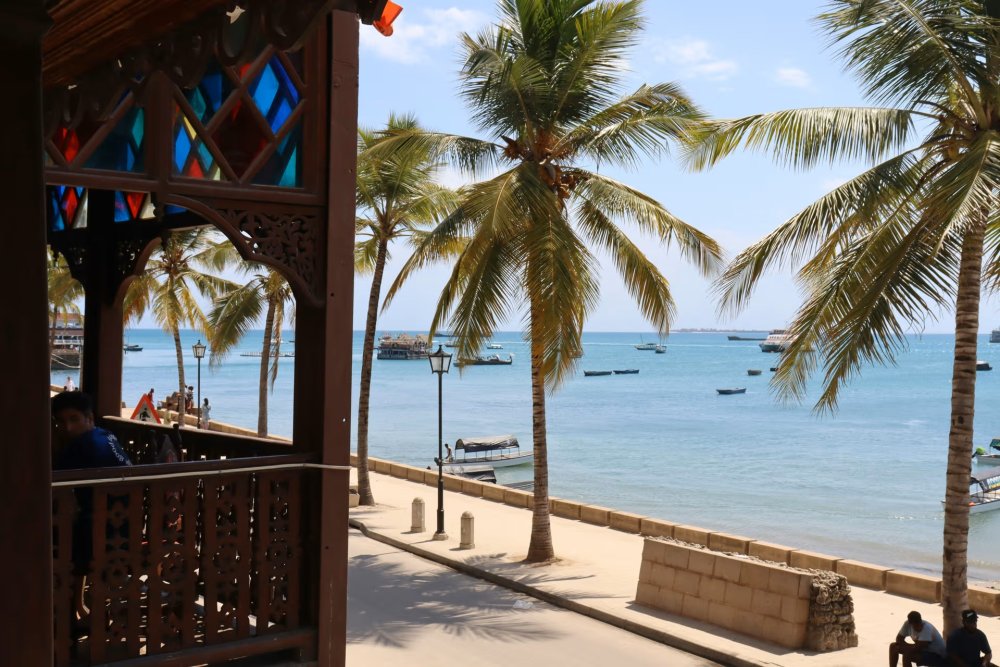
Your incredible 6-day Tanzania safari concludes with memories of the Great Migration, the Big Five, Ngorongoro Crater, and Africa's spectacular wilderness. Many travelers extend with Zanzibar beach relaxation (1-hour flight from Arusha) or add Kilimanjaro trekking for the ultimate Tanzania experience.